de en fr

Dublin Cushion

the 2025 Advent-KAL by LANGYARNS

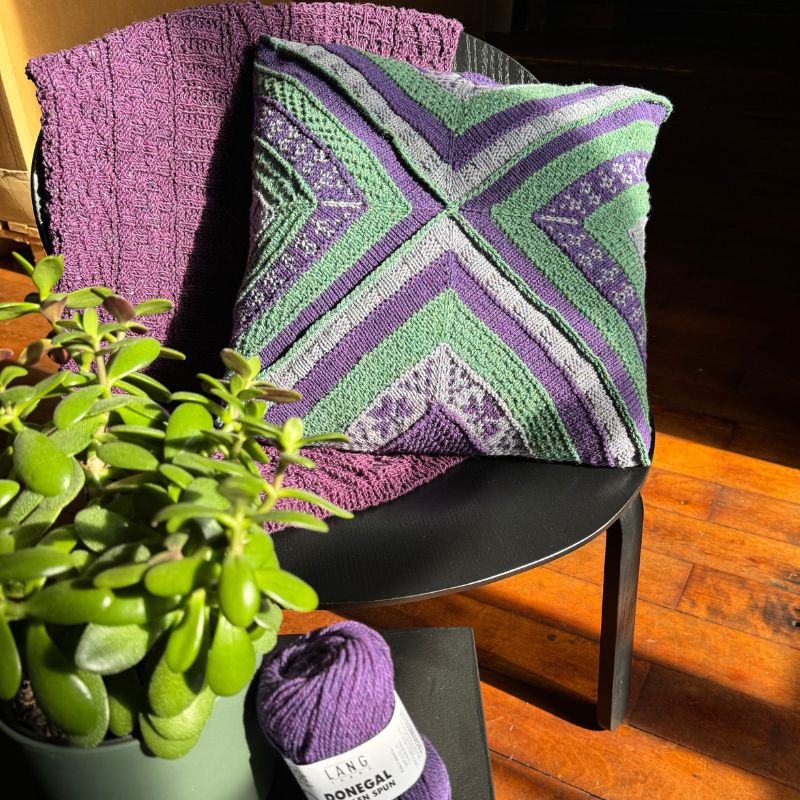
This Advent, let’s knit the 🍀Dublin Cushion🍀 together! Designed by LifeOnYarn, it perfectly complements the Donegal Blanket from last year’s Knit-Along.

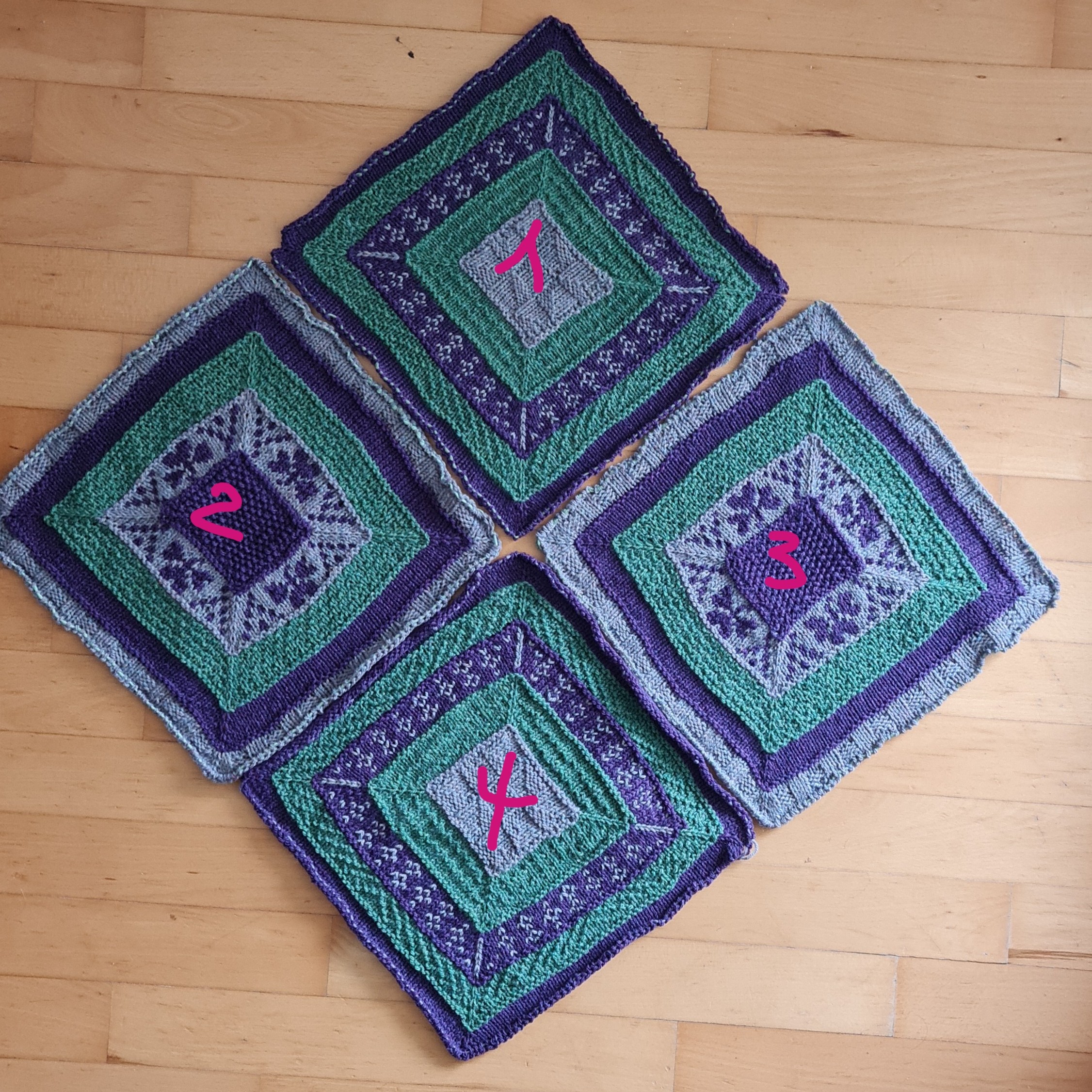
We’ll be knitting with DONEGAL WOOLEN SPUN in three shades – one light, one medium, and one dark. Make sure there’s enough contrast between the lightest and darkest colours if you plan to include the colourwork. The project consists of four squares, always two of which are identical, that will be assembled at the end to form the cushion. Every other day during Advent, we’ll publish the next part of the pattern on our website, giving you plenty of time to knit two squares in parallel each time.

The finished cushion may look intricate, but it’s made up of only knit and purl stitches, a few increases (with an instructional video), and optional colourwork. It’s the perfect project for adventurous beginners!

We can’t wait to knit along with you and see this cosy, festive cushion come to life!

#dublinKAL #langyarnsadventskal
Materials

  • DONEGAL WOOLEN SPUN in 3 colours (see below)
  • 2 circular needles 3.5 mm (100 cm length)
  • 14 stitch markers
  • 2 beginning-of-round markers
  • Waste yarn for holding stitches
  • Cushion 50 × 50 cm (e.g. IKEA: INNER) or filling material


Colours

  • A: light – 2 balls (e.g. 1172.0033)
  • B: medium – 3 balls (e.g. 1172.0058)
  • C: dark – 3 balls (e.g. 1172.0090)


 M1L  Left-leaning increase: Using the left needle, pick up the strand between the stitches from front to back and knit it through the back loop.-🔗Video
 M1R  Right-leaning increase: Using the left needle, pick up the strand between the stitches from back to front and knit it. 🔗Video
 P  purl
 pm  place marker
 RS  Right side
 st(s)  Stitch(es)


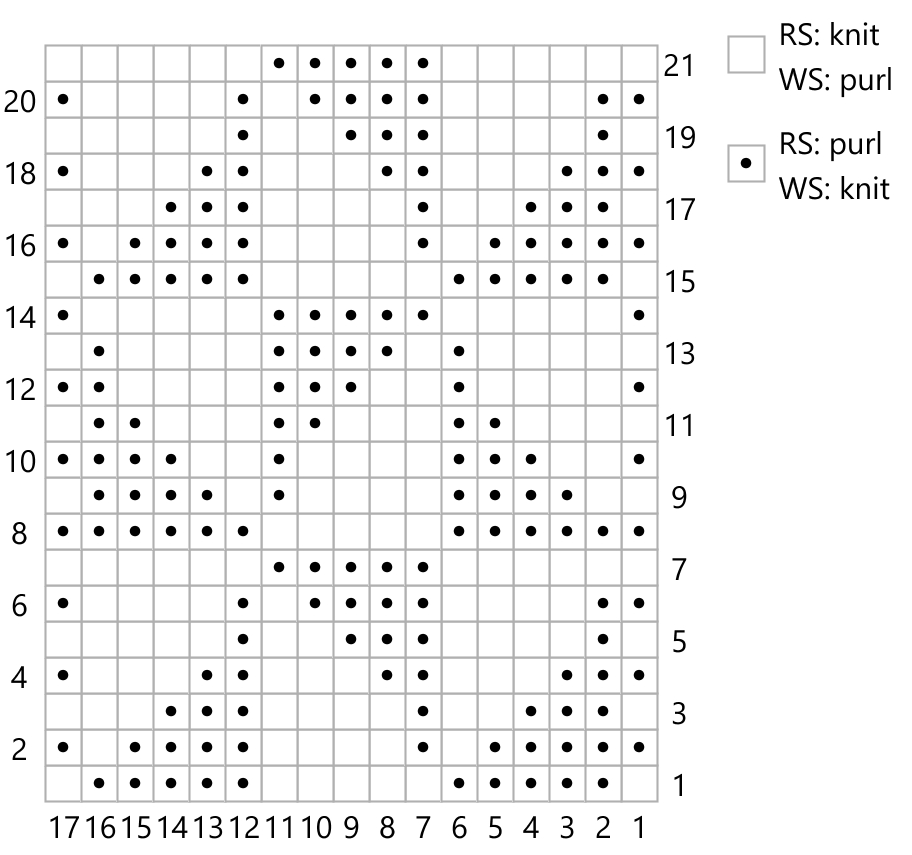
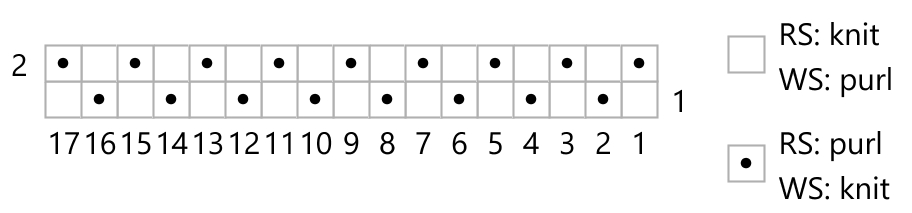
Cast on 17 sts with colour A (your lightest shade).

Work 21 rows from the chart. End with a RS row; do not turn.


At the following link, you’ll find an additional video that shows you the next steps in detail:

🔗Picking up stitches


Now begin working in the round as follows. Use a set of double-pointed needles or a long circular needle (100 cm) and the magic loop method.

                Turn the piece 90° and pick up 15 sts along the edge (5 sts over 7 rows).
                Turn the piece 90° and pick up 17 sts along the cast-on edge.
                Turn the piece 90° and pick up 15 sts along the next edge (5 sts over 7 rows).
                Turn the piece 90° and knit 16 sts.

Next Rd: *p1, pm, p15, pm* repeat from * to * 4 times in total = 64 sts. The last marker placed now marks the beginning of the round. Your square should measure approximately 9 × 9 cm.

Cut the yarn. Work a second identical square.


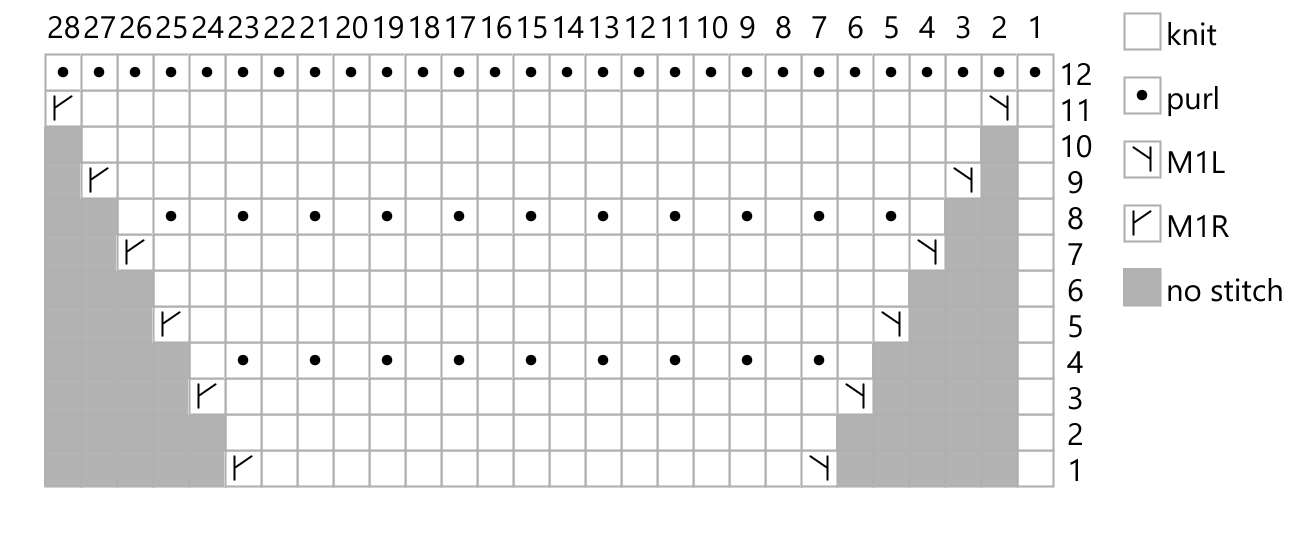
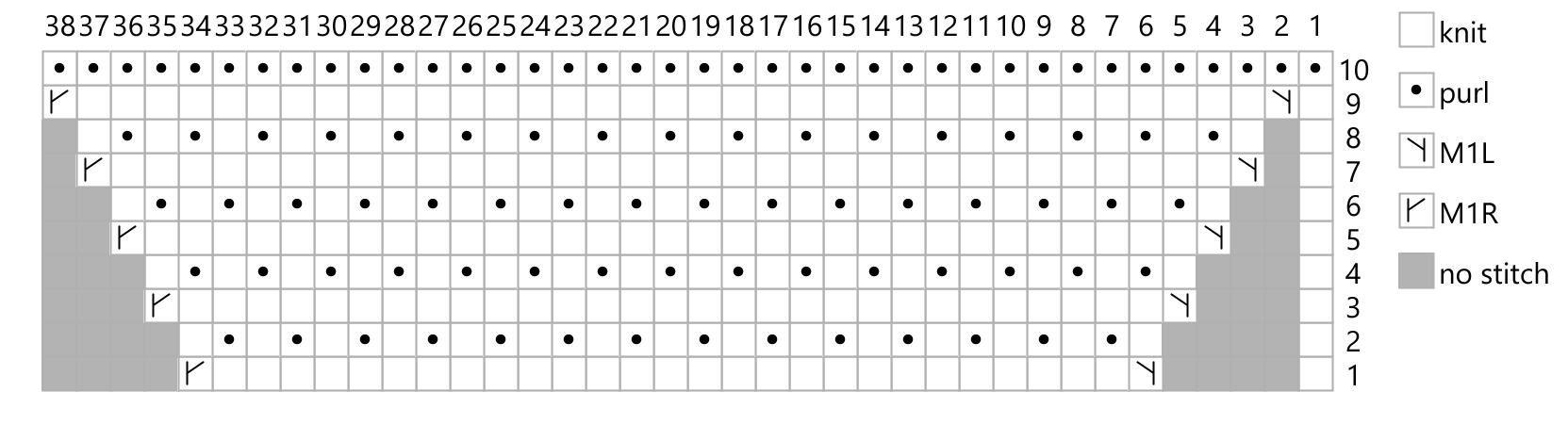
With colour B:

Work 12 rounds following the chart. The first stitch on the far right of the chart is always the stitch between the markers (i.e. the corner of the square).

Repeat the chart 4 times in each round = 112 sts.

Cut the yarn. Work a second identical square.


At the following link, you’ll find an additional video that shows you the increases leaning to the left and right:

🔗M1L & M1R


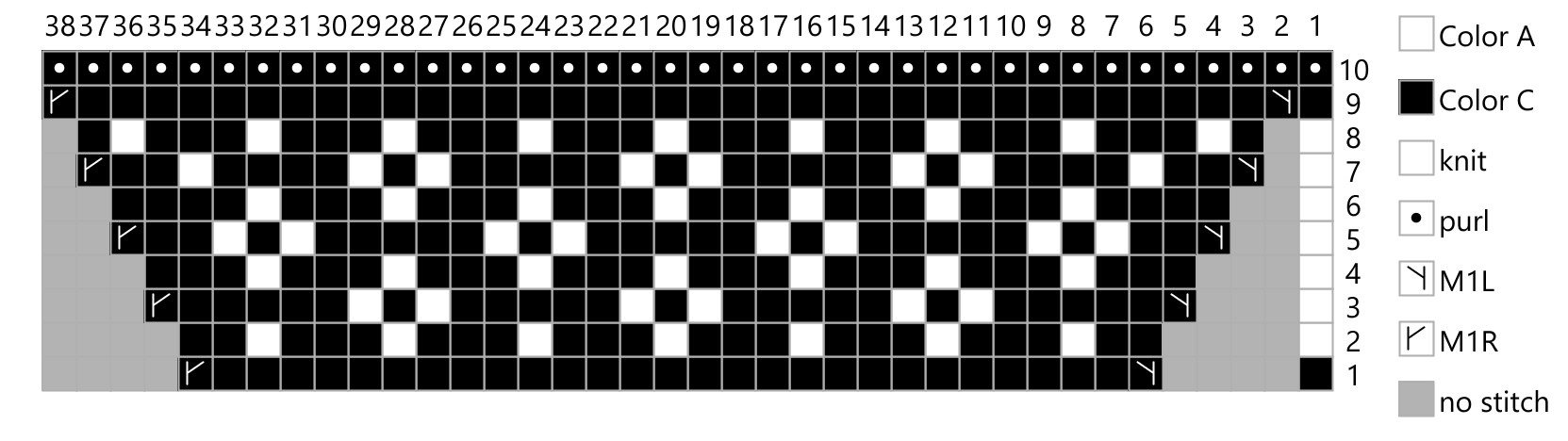
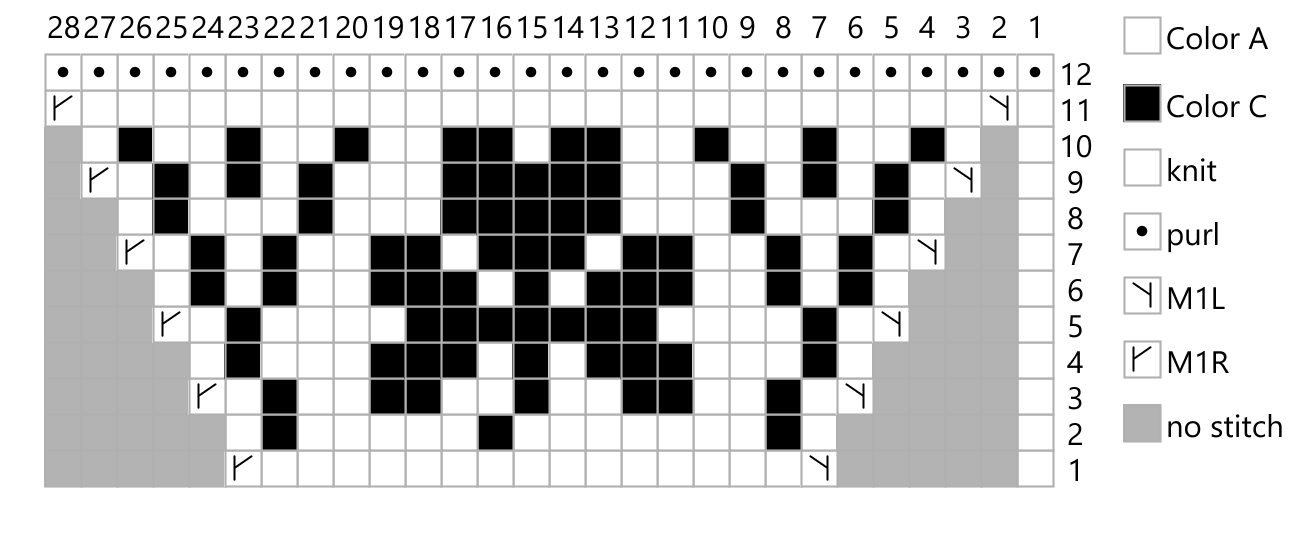
With colours A and C:

Work 10 rounds following the chart. At the following link, you’ll find an additional video that demonstrates how to knit colourwork:🔗Colourwork

Repeat the chart 4 times in each round = 152 sts.

Cut the yarn. Work a second identical square.


Alternatively, this section may also be worked in stockinette stitch using only colour C, while still following the increases indicated in the chart.


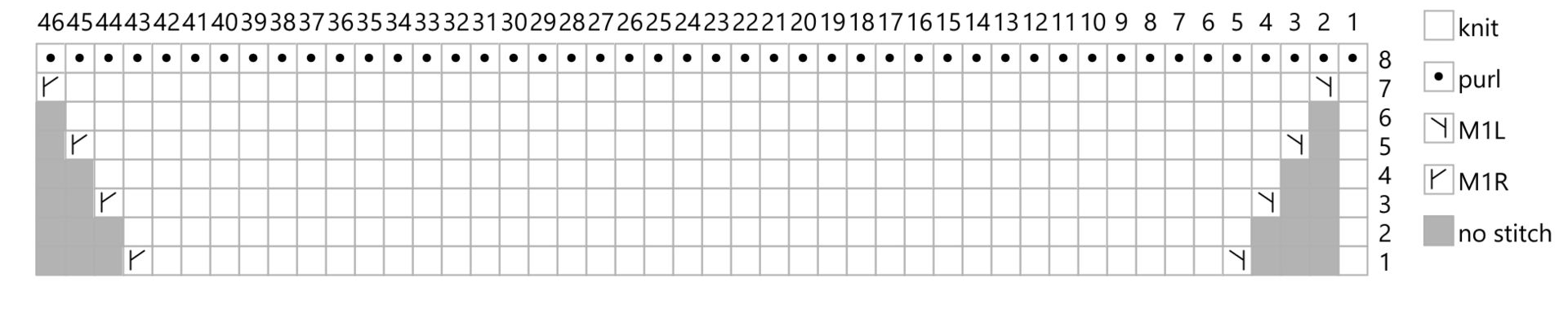
With colour B:

Work 8 rounds following the chart.

Repeat the chart 4 times in each round = 184 sts.

Cut the yarn. Work a second identical square.


With colour C:

Work 8 rounds following the chart.

Repeat the chart 4 times in each round = 216 sts.

Place 108 sts on hold. Place the next 108 sts on hold separately, removing all stitch markers. It’s best to use a piece of cotton yarn about 150 cm long for each section – this will make it easier to wash and block the pieces later. Work a second identical square.


Cast on 17 sts with colour C.

Work 21 rows from the chart. (So you will work the entire chart ten times, then repeat Row 1 once more.)

Now begin working in the round as follows:

                Turn the piece 90° and pick up 15 sts along the edge (5 sts over 7 rows).
                Turn the piece 90° and pick up 17 sts along the cast-on edge.
                Turn the piece 90° and pick up 15 sts along the next edge (5 sts over 7 rows).
                Turn the piece 90° and knit 16 sts.

Next Rd: *p1, pm, p15, pm* repeat from * to * 4 times in total = 64 sts. The last marker placed now marks the beginning of the round. Your square should measure approximately 9 × 9 cm.

Cut the yarn. Work a second identical square.


With colours A and C:

Work 12 rounds following the chart.

Repeat the chart 4 times in each round = 112 sts.

Cut the yarn. Work a second identical square.

Alternatively, this section may also be worked in stockinette stitch using only colour A, while still following the increases indicated in the chart.


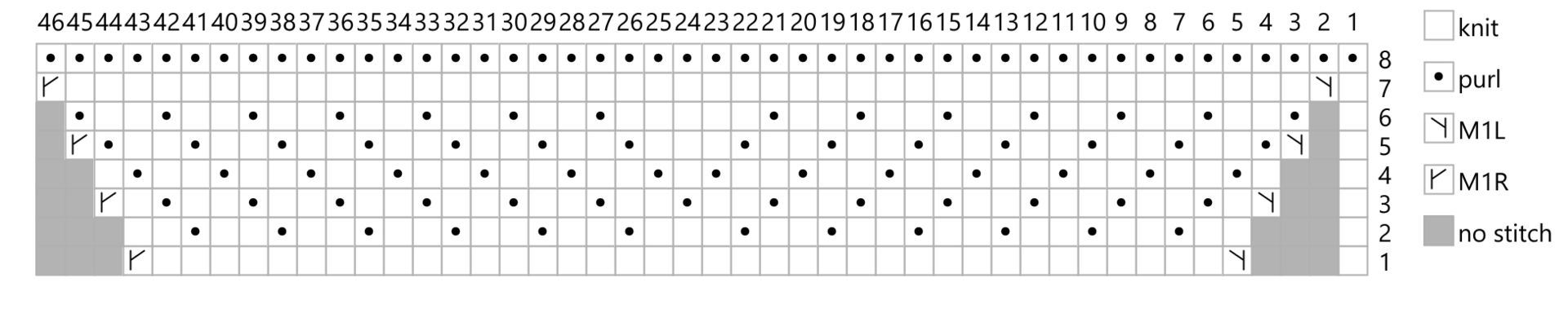
With colour B:

Work 10 rounds following the chart.

Repeat the chart 4 times in each round = 152 sts.

Cut the yarn. Work a second identical square.


With colour C:

Work 8 rounds following the chart.

Repeat the chart 4 times in each round = 184 sts.

Cut the yarn. Work a second identical square.


With colour A:

Work 8 rounds following the chart.

Repeat the chart 4 times in each round = 216 sts.

Place 108 sts on hold. Place the next 108 sts on hold separately, removing all stitch markers. It’s best to use a piece of cotton yarn about 150 cm long for each section – this will make it easier to wash and block the pieces later. Work a second identical square.


Wash the four squares and block them to a size of 35 × 35 cm.

Washing instructions – Donegal Woolen Spun:

·         Hand wash or use the hand was cycle on your washing machine (do not overload the drum).

·         Use a special wool detergent without brighteners – for example, our Tenemoll.

·         Dry flat, do not tumble dry.


The car icons and their meanings


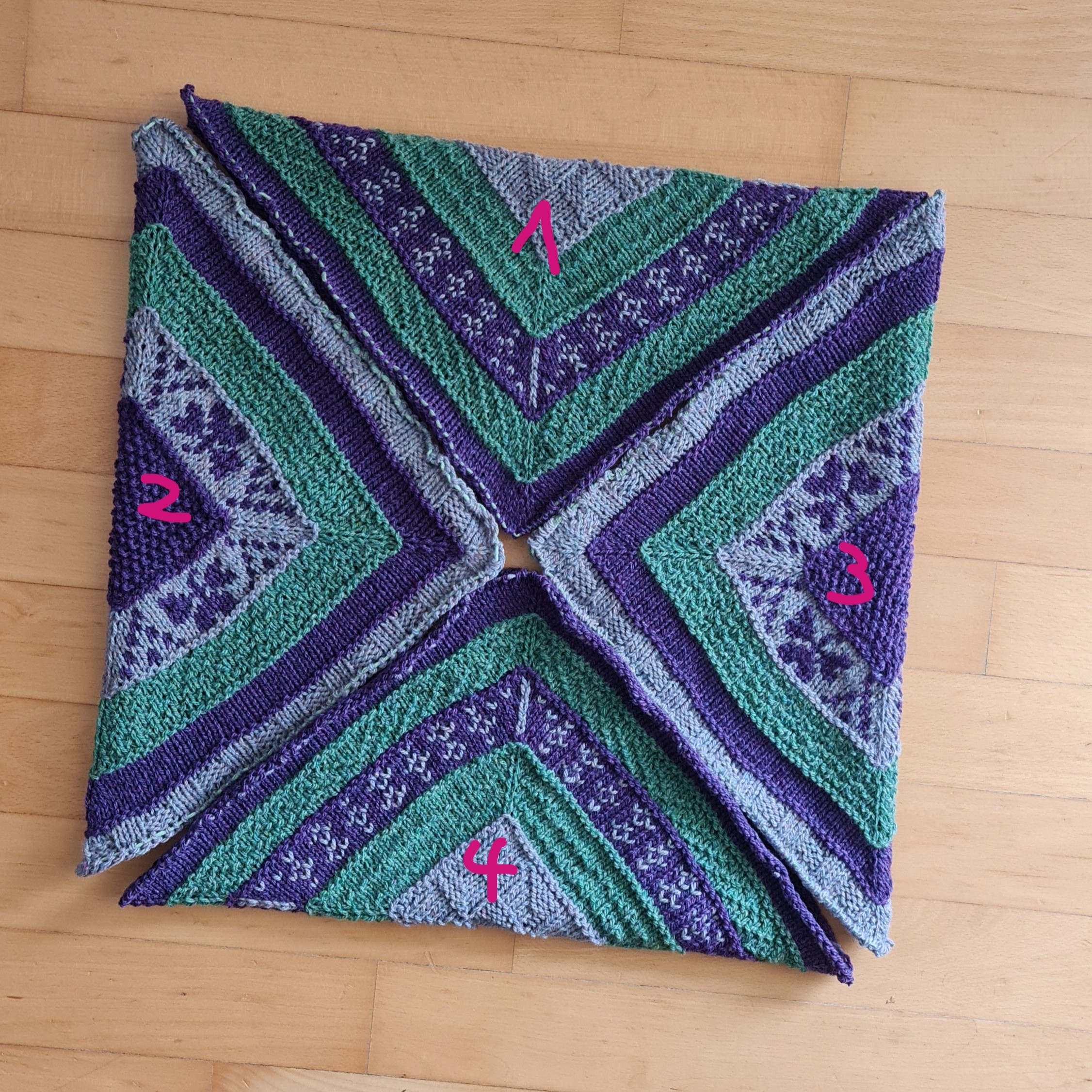
The four squares are now joined using colour B and the three-needle cast-off method as follows:


Pick up 108 stitches from Square 1 onto one needle.

Pick up 108 stitches from Square 2 onto a second needle.


Using a third needle, cast off the stitches together as follows:

1.      Hold both needles with the stitches parallel, wrong sides facing each other.

2.      Insert the third needle into the first stitch on the front needle and the first stitch on the back needle, and knit them together.

3.      Repeat with the next stitch on both needles.

4.      Slip the resulting stitches back onto the left-hand needle.

5.      Knit the two stitches together through the back loops.

6.      Repeat steps 3–5 until all stitches have been cast off. Do not cut the yarn.


Repeat for the second set of 108 sts from Square 1 and 108 sts from Square 3. Cut the yarn..

Repeat for the second set of 108 sts from Square 3 and 108 sts from Square 4. Do not cut the yarn.

Stuff your cushion cover with filling, leftover yarn, or an inner cushion.

Finally, repeat for the second set of 108 sts from Square 4 and the 108 sts from Square 2, then close the opening at the centre of the front and back with a few stitches.