Scarf MIRA
Knitting pattern
23.06.2025
23.06.2025
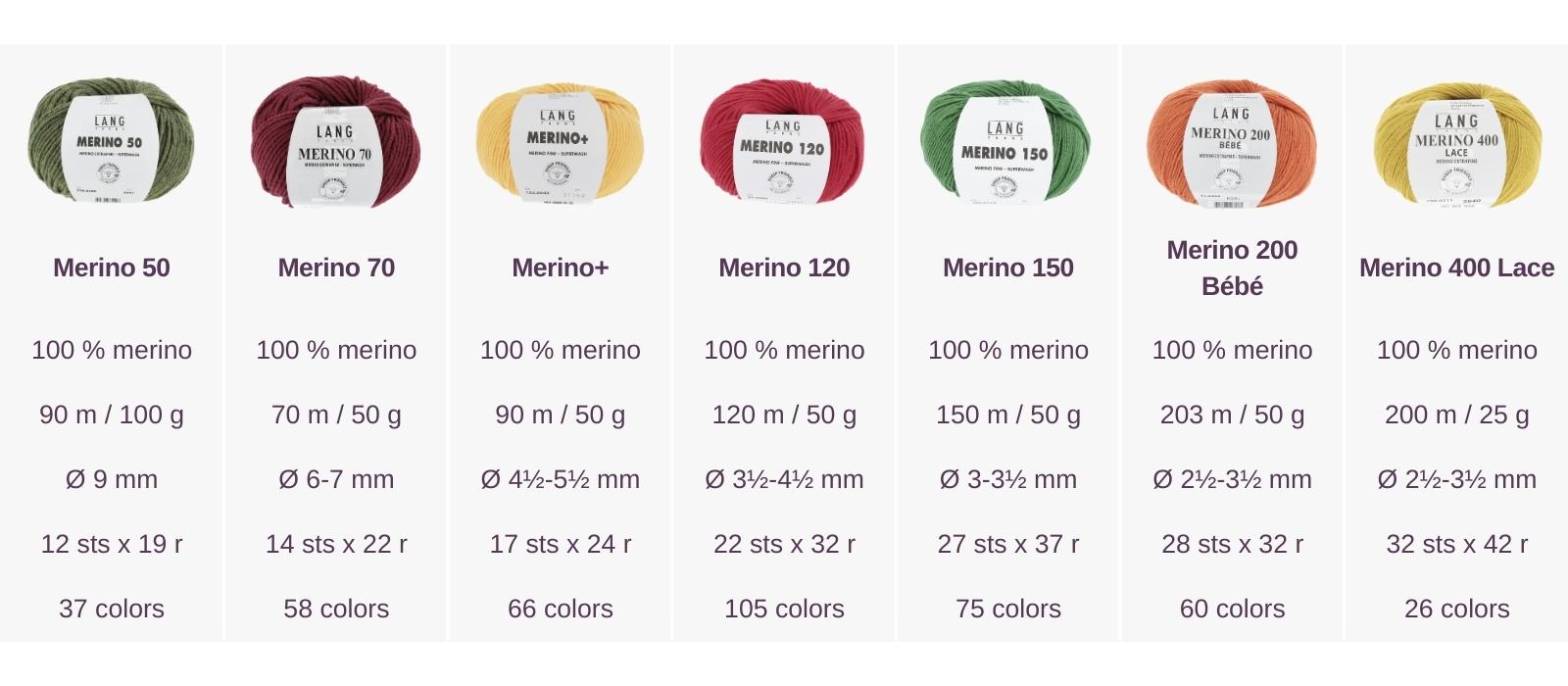
The wool from Merino sheep has a number of advantageous characteristics:
Merino wool is skin-friendly (antibacterial). The keratin of its protein structure allows the wool to absorb bacteria and viruses and reduce their multiplication. The wool also feels soft on the skin and isn’t scratchy. Wool from Merino sheep is free of microplastics in its untreated state and can be biodegraded and recycled.
Merino wool is breathable and regulates heat well. Wearing clothing made from Merino wool gives you warmth when the weather is cold, and on hot days it can keep the heat away from your body. Merino fibers can absorb a large quantity of humidity, so garments made from Merino can serve to wick moisture away from the body. High-quality sportswear is therefore often made of merino wool.
Merino fibers are resistant to dirt and odours. Knitwear made of Merino wool need to be washed very rarely to never. Often it is sufficient with these knitted pieces to remove any odd marks or stains individually, then air it. Merino wool can also be washed if required. Most Merino yarns are treated chemically so that they are designated ’superwash‘ which means they can be washed at 30°C on the wool cycle of your washing machine, using special detergent for wool. Find out more about superwash treatment here. Further information about care symbols is available here.
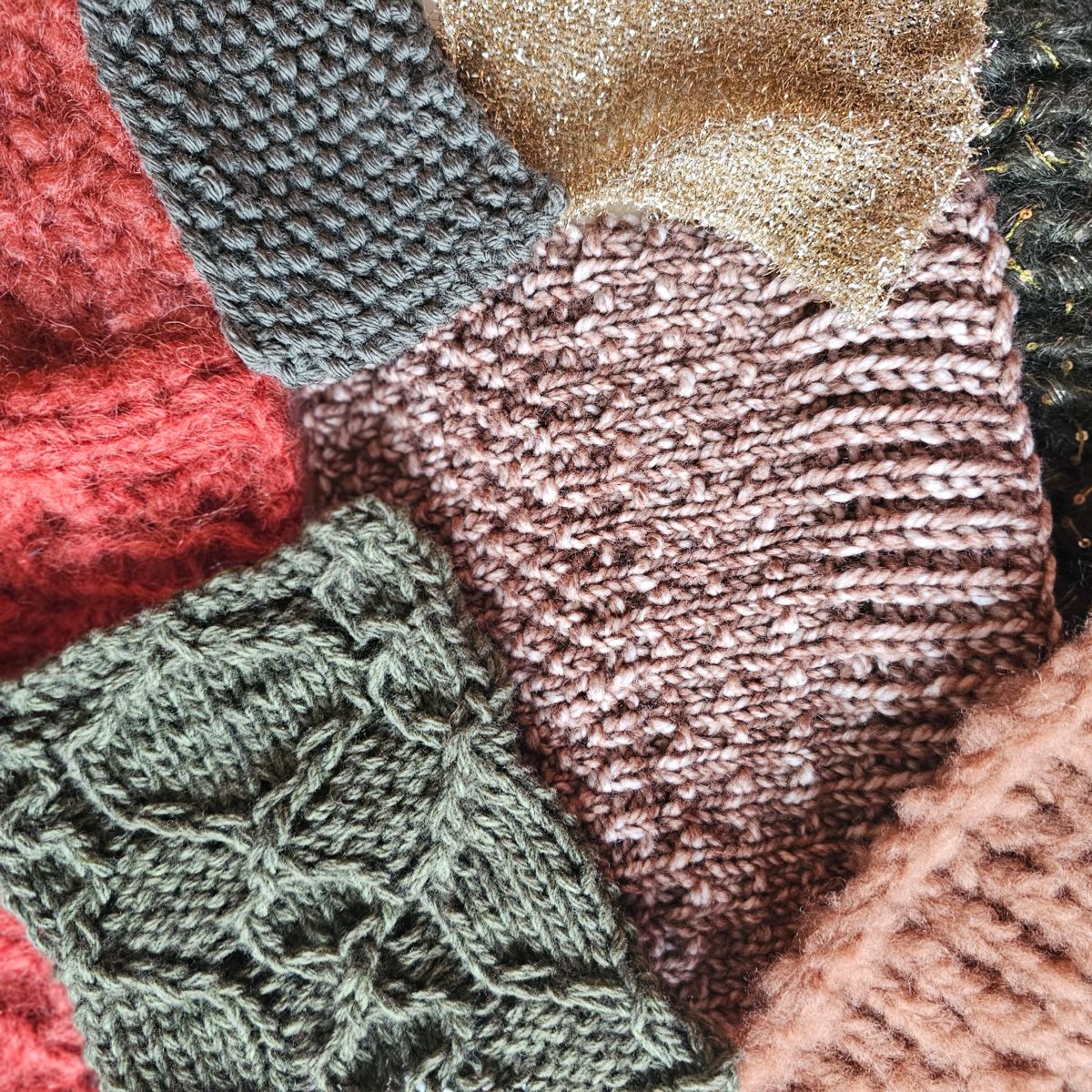
Merino yarns are all-purpose yarns. These can be knitted or crocheted into garments and accessories for winter or summer. Merino yarns are particularly good for cables and textured patterns. Thanks to the volume of the yarn, the pattern appears more 3-dimensional with great stitch definition. Colour takes particularly well on the light fibers of Merino, so dyeing Merino fibers and roving can create really clear, strong and saturated colours.
All our Merino qualities are mulesing-free. Find out more about "No Mulesing" here.
The extraction and origin of merino
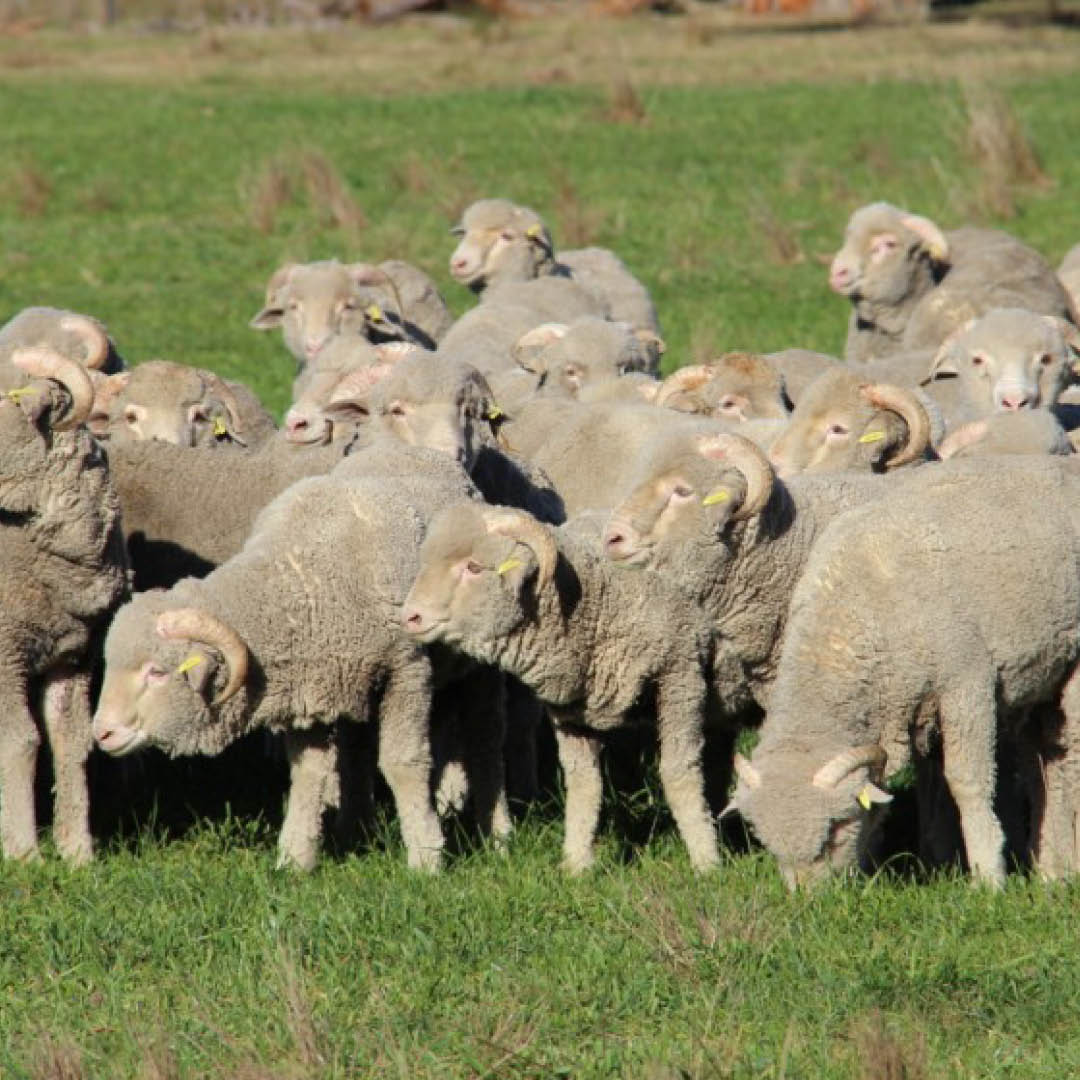
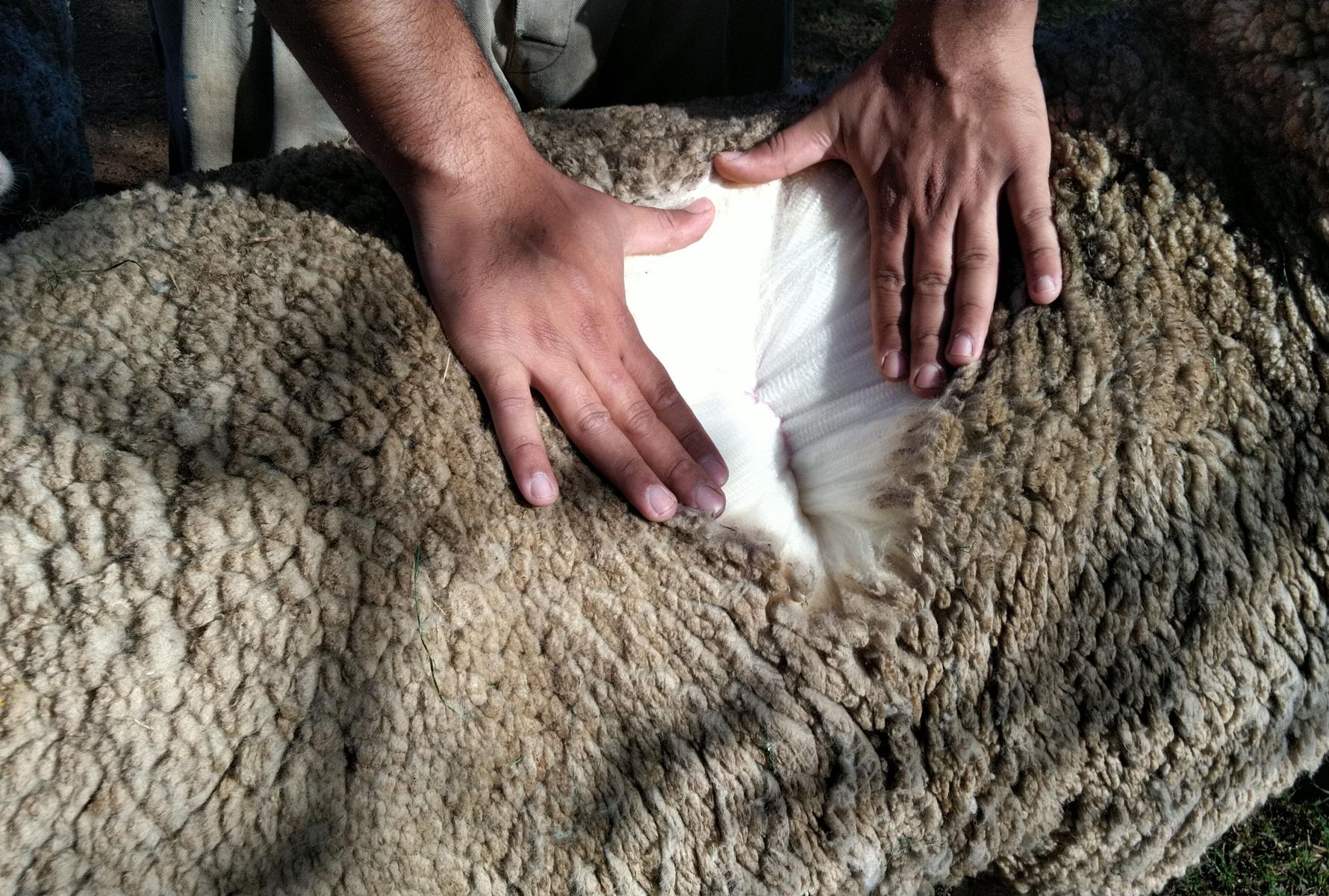
Merino is the term used for wool from the Merino sheep. These sheep are named after the ‘Merino’ tribe, a tribe of Berbers from what is modern-day Morocco, who brought them to Spain in the 12th and 13th century. The Merino is one of the oldest breeds of sheep in fine wool production, the short, beautifully crimped fibres being particularly valued in the textile industry for their fine, soft quality. The majority of Merino wool on the market comes from Australia, New Zealand and South Africa.
Approximately 40 % of all sheep’s wool produced worldwide comes from Merino sheep. In the coat or fleece of the Merino sheep the soft downy undercoat predominates. The processing following shearing separates the downy fiber from the coarser, stiffer guard hairs and outer coat of the animal. The diameter and length of Merino fibers are crucial for indicating the quality of the wool. The length of the fibers varies from 35 to 150 millimeters, with longer fibers bringing better quality to the spun yarn.
.jpg)
Designation for Merino wool
The terms Merino ultrafine/superfine/extrafine/ fine/ medium and strong describe how fine the fiber is, and thus the quality of the Merino wool, in micron (= micrometer : 1µm = 0.001 millimeter). The scales for the classification of Merino qualities can vary somewhat in some cases. However, each scale ranges from 10 to 25 microns fiber diameter. Our products are marked to indicate the type of Merino fiber they contain, but we exclusively use Merino superfine, extrafine and fine.
Merino extrafine less than 14.5 microns fiber diameter
Merino ultrafine 14.6 to 16.5 microns fiber diameter
Merino superfine 16.6 to 18.5 microns fiber diameter
Merino fine 18.6 - 20.5 microns fiber diameter
Merino medium 20.6 - 22.5 microns fiber diameter
Merino strong 22.6 - 24.5 microns fiber diameter
Sources
Neubauer 2022: Holger Neubauer, STF Paper, Textile Basics for Fashion and Retail. Faserstoffe, Zürich 2022.
Robson and Ekarius 2011: Deborah Robson und Carola Ekarius, The Fleece and Fibers. The source book. More than 200 fibers. From Animal to Spun Yarn. Sheep, Goats, Apacas, Vicunas, Camels, Bison, Musk Oxen, Yaks and more, North Adams 2011, p. 135.
Material Archiv 2022: Schafswolle: https://materialarchiv.ch/de/ma:material_597/ (ref 22.6.2022).
Exquisiv 2023: Über Wolle, antibakterielle Eigenschaften, https://silvernite.de/uber-wolle (ref 28.6.2023).
Woolmark 2023, What is Merino wool & how is it made?, https://www.woolmark.com/fibre/what-is-merino-wool/ (ref. 28.9.2023).